1420 Cypress Creek Road #842, Cedar Park, TX, 78613
Bonded & Insured
Cedar Park, TX

Foundation Repair in Cedar Park, TX Built for Clay, Limestone & Drought

Cedar Park sits right on the Balcones Escarpment, where thin Hill Country limestone meets expansive Blackland clay. Two houses a mile apart can move for completely different reasons. A dry summer shrinks the clay under your slab edges, and a fall downpour swells it again. You end up with sticking doors, stair-step cracks in brick and gaps around windows. Cedar Park Foundation Repair Pros figures out why your home is moving before we recommend a fix. Then we repair it with piers, leveling and drainage that suit the soil your house actually sits on.

Since 2020 we've worked on the post-tensioned slabs, cut-and-fill lots and aging pier-and-beam homes found across northwest Austin's suburbs. Our crews know the shallow rock in western Cedar Park and Volente, the 30- to 50-year-old homes in Jollyville, and the MUD and HOA rules in Brushy Creek. Every inspection includes elevation readings, photos and a clear written report. When you're buying, selling or just need answers, we coordinate with licensed engineers and supply the documentation a real estate deal requires.

  • Serving Cedar Park and northwest Austin suburbs since 2020
  • Bonded and insured
  • Elevation readings, photos and a written report with every inspection
  • Coordination with licensed Texas Professional Engineers
Free Estimate

Request Your Free Estimate

No obligation. Fast, honest quotes.

Prefer to talk? Call (512) 883-9546 — your details are never shared.

Credentials & Certifications BondedInsuredFinancing Available
What We Do

Foundation Repair Services for Cedar Park Homes and Businesses

We match the repair to the soil, the structure and the cause. Shallow limestone in Volente needs a different approach than deep clay in Pflugerville. Below is how we handle each type of work, from a single crack to a full pier-and-beam rebuild.

★ Specialty

Foundation Inspection

A full evaluation with elevation readings across the slab or floor system, photos of every crack and symptom, and a clear written report explaining what's moving, why, and what your options are.

We use a digital level to map relative elevations, check drainage and tree proximity, and note signs of plumbing leaks. When a PE evaluation is needed for a sale or a complex repair, we coordinate with licensed engineers.

Cedar Park buyers and sellers often face TREC inspection findings and tight closing dates. Our reports give you documentation you can hand to an engineer, agent or buyer, and they help you tell cosmetic cracking from real movement.

Best for: Homeowners who notice new cracks, buyers and sellers in a real estate transaction, and anyone who wants facts before paying for repairs.

Explore
★ Specialty

Slab Foundation Repair, House Foundation Repair & Foundation Raising

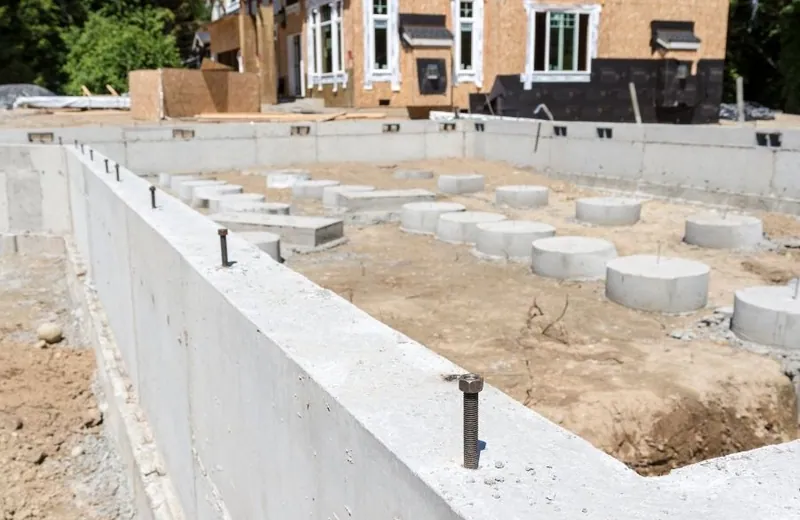
We stabilize and lift settled slab foundations with piers driven or drilled to load-bearing soil or rock, restoring elevation as far as the structure safely allows.

Depending on the site, we use pressed concrete pilings, steel piers or drilled bell-bottom piers. On post-tensioned slabs we lift carefully and protect the cables. Where limestone is shallow, we're ready to drill rock.

Pier depth swings dramatically here. It can be a few feet to refusal on rock in western Cedar Park, and many feet in Blackland clay toward eastern Round Rock. We choose the pier type based on what's under your house, not on habit.

Best for: Slab homes with perimeter drops, corner settlement, sticking doors and stair-step brick cracks throughout Cedar Park, Leander and Round Rock.

Explore

Concrete Foundation Leveling & Concrete Slab Leveling

We bring uneven slabs back toward level by lifting low areas in a controlled sequence and correcting slope across living spaces, garages and patios.

Hydraulic jacks lift the slab in small increments on piers while we monitor elevation readings, so the structure isn't over-stressed. Voids left under the slab are addressed after the lift.

Post-tensioned slabs in Twin Creeks, Avery Ranch and Lakeline often show edge drop or mild doming. Leveling the perimeter to meet a heaved center is frequently the safer approach on these slabs.

Best for: Homes with noticeably sloping floors, gaps under baseboards, or doors that won't latch.

Explore

Pier and Beam Foundation Repair, Crawl Space Repair & Crawl Space Foundation Construction

We repair or rebuild the support systems under raised homes. That covers re-shimming, replacing deteriorated piers, reinforcing sagging beams and building new crawl space foundations when needed.

We replace rotted wood or failing concrete piers with new concrete piers and steel shims, sister damaged beams, and correct crawlspace moisture with drainage and ventilation.

Common in West Lake Hills and Rollingwood ranch homes and Georgetown Old Town houses. Work in historic overlays may need HARC review for exterior changes, so we plan access with that in mind.

Best for: Older raised homes with bouncy, sloping or creaking floors, or crawlspaces with standing water.

Explore

Stem Wall Repair, Foundation Wall Repair & Concrete Foundation Reinforcement

We repair cracked, leaning or bowed stem walls and foundation walls, and we reinforce concrete foundations that have lost strength or are carrying extra load.

Methods include crack injection, wall anchors or bracing, added footings or piers, and steel or concrete reinforcement, coordinated with an engineer's design on major work.

Lake Travis homes in Hudson Bend, Lakeway and Lago Vista often have tall stem walls on stepped foundations, where downslope creep and storm runoff concentrate stress.

Best for: Hillside homes, stepped foundations and any wall with horizontal or widening cracks.

Explore

Foundation Crack Repair, Concrete Wall Crack Repair, Concrete Floor Crack Repair & Foundation Patching

We seal and repair cracks in foundations, walls and floors so water, pests and soil stay out and cosmetic damage doesn't keep spreading.

We use epoxy or polyurethane injection for structural or leaking cracks, and patching mortars and sealants for surface defects. Cracks get measured first to rule out active movement.

Rigid brick and Austin stone veneer and Texas-heat shrinkage make cracks everywhere in our area. We confirm whether movement is ongoing before patching, so you're not paying to cover a symptom.

Best for: Homeowners with stable cracks that need sealing, or cosmetic cracks confirmed by elevation readings.

Explore

Concrete Repairs, Concrete Foundation Repair, Poured Concrete Foundation Repair & Concrete Foundation Sealing

We repair spalled, cracked or deteriorated poured concrete foundations and seal them against moisture intrusion.

We remove damaged concrete, treat exposed steel, rebuild with repair mortars, and apply penetrating or membrane sealers suited to the exposure.

Exposed slab edges on eroded lots and lakeside homes take a beating from flash-flood runoff and summer heat. Sealing and edge repair help stop moisture from cycling in and out.

Best for: Exposed or deteriorating slab edges, beams and poured walls.

Explore

Concrete Block Foundation Repair & Concrete Pier Foundation Repair

We repair block foundations and concrete pier systems that have cracked, shifted or lost bearing.

We rebuild or reset block, reinforce with grout and steel, and replace or underpin failed concrete piers with new piers that bear on competent soil or rock.

Older homes, outbuildings and additions around Georgetown, Liberty Hill and West Lake Hills often use block or concrete piers that have tilted in shifting clay.

Best for: Older homes and additions with block or concrete pier supports.

Explore

Concrete Slab Leak Repair

We address under-slab leaks that soften or wash out the soil beneath your foundation, then evaluate whether the slab needs leveling afterward.

Plumbing and hydrostatic tests confirm the leak, then repair happens through a targeted access point or tunnel to limit damage to finished floors.

Many under-slab leaks from Winter Storm Uri went undetected, and aging drain lines in Wells Branch and Jollyville are frequent culprits behind settlement and heave.

Best for: Homes with high water bills, warm floor spots or unexplained interior heave.

Explore

Foundation Drainage

We correct grading and drainage so water moves away from your foundation and soil moisture stays more consistent.

Our toolkit includes French drains, surface drains, downspout extensions, regrading and root barriers between trees and the slab.

With watering restrictions making it hard to soak the foundation, drainage and root barriers are the practical moisture fix here. HOAs and MUDs in Brushy Creek and Avery Ranch often require approval, and we help with that paperwork.

Best for: Lots with pooling water, eroded slab edges or large trees near the house.

Explore

Foundation Installation, Foundations & Foundation Repairs

We build new foundations for additions and structures and handle general foundation repairs that don't fit a single category.

New work is built to plans and local IRC requirements, with footing and pier design matched to site soils and engineering where required.

Each city, including Cedar Park, Leander, Round Rock and Lakeway, has its own permit office. We check jurisdiction requirements before work begins.

Best for: Additions, outbuildings and mixed-scope repair projects.

Explore

Garage Foundation Repair & Driveway Foundation Repair

We repair settled garage slabs and driveway sections that crack, sink or pull away from the house.

Our methods include slab leveling, crack repair, void filling and drainage correction so runoff doesn't keep undermining the concrete.

Garages built on fill and driveways sloping toward the house are common on rolling Cedar Park lots, and storm runoff often erodes the base beneath them.

Best for: Sunken garage floors, trip-hazard driveway joints and gaps at the garage apron.

Explore

Commercial Foundation Repair

We evaluate and repair foundations for small commercial buildings, offices and retail spaces in the Cedar Park area.

We start with elevation surveys and engineer coordination. Then we use pier, leveling and crack repair methods scheduled to limit disruption to your operations.

Commercial buildings along the 183 and 1431 corridors sit on the same mixed clay and limestone as nearby homes and face the same drought-and-deluge movement.

Best for: Property owners and managers with cracking slabs, sticking doors or uneven floors in commercial spaces.

Explore
Know The Signs

Common Foundation Problems in Cedar Park and Northwest Austin

Most foundation calls we get around Cedar Park fall into a handful of patterns. Knowing which one you're dealing with is the difference between a lasting repair and a repeat bill. Here's what we see most often, why it happens here, and how serious it usually is.

Perimeter Settlement and Corner Drops Serious

The outer edge or a corner of a slab sinks below the rest of the foundation. Usually the clay underneath has dried and shrunk away from the beam, so the slab loses support and bends downward at the edges.

Why it's common here

Drought is the driver. During dry stretches like 2022–2023, clay under the slab perimeter loses moisture faster than soil under the center of the house. Mature live oaks and cedar elms near the house pull out even more water, and stage-based watering restrictions make it hard to keep soil moisture steady. Corners on fill pads, which are common in 1980s–90s subdivisions built on sloping limestone, settle even more because the fill was never fully compacted.

Signs you'll notice
  • Stair-step cracks in brick or Austin stone near corners
  • Diagonal drywall cracks above doors and windows
  • Doors that stick or won't latch
  • Gaps between baseboard and floor
  • Exterior trim or window frames pulling away
  • Floors that slope toward an outside wall
Local patterns

Very common in Buttercup Creek, Cypress Creek and Anderson Mill homes surrounded by mature oaks, and on cut-and-fill lots throughout Cedar Park. On Blackland clay in eastern Round Rock and Pflugerville, drops tend to be deeper and more widespread.

Our fix: Pressed concrete or steel piers driven to load-bearing strata, then a controlled lift to restore elevation. We often add root barriers or drainage correction to slow future drying.

Center Heave on Post-Tensioned Slabs Serious

The middle of the slab rises relative to the edges. Clay beneath the interior swells, usually from a plumbing leak or prolonged wet weather, and pushes the slab upward into a dome shape.

Why it's common here

Interior soil stays wetter than perimeter soil, and when a big rain follows a drought, expansive clay can swell several inches. Post-tensioned slabs common in Leander, Avery Ranch and Twin Creeks resist bending but can still dome. Under-slab leaks are a major hidden cause here. Winter Storm Uri in 2021 left plenty of supply and drain line leaks that went undetected and kept saturating soil for months.

Signs you'll notice
  • Interior doors sticking at the top
  • Cracks in tile or flooring near the center of the home
  • Floors that rise toward the middle
  • Unexplained spikes in your water bill
  • Cracks radiating from interior walls
Local patterns

Seen most in homes on deep clay east of Cedar Park and toward Pflugerville, and in houses that had pipe failures during Uri. New builds in Leander and Liberty Hill sometimes heave when builder-grade drainage sends water under the slab.

Our fix: Find and fix the moisture source first with plumbing and hydrostatic tests. Then stabilize the slab, usually by leveling the perimeter to match the heaved area rather than forcing the center down.

Under-Slab Plumbing Leaks Emergency

Water or sewer lines beneath the slab crack or separate. The leaking water softens, swells or washes out the supporting soil, which can cause localized settlement or heave.

Why it's common here

Freezes like Winter Storm Uri stressed plumbing across the region. Meanwhile, foundation movement in older homes strains cast-iron and early PVC drain lines in turn. Leaks and movement feed each other: the slab shifts, a pipe cracks, the soil gets saturated and the slab shifts more. Homes in Jollyville and Wells Branch, many of them 30 to 50 years old, are especially vulnerable.

Signs you'll notice
  • Warm spots on the floor
  • Sound of running water with fixtures off
  • Higher water bills
  • Damp carpet or musty odors
  • New cracks near bathrooms or kitchens
  • Slow or gurgling drains
Local patterns

Common in Wells Branch, Jollyville and older Round Rock homes with original drain lines, and in any home that had frozen pipes in February 2021. Repairs often surface during pre-sale inspections.

Our fix: Leak detection and hydrostatic testing, then a targeted slab leak repair through a tunnel or access point. After that we re-evaluate elevations and level if needed.

Hillside Creep and Stem Wall Failure Serious

Homes on sloped lots slowly shift downhill as fill or soil on the downslope side creeps. Tall stem walls and retaining walls holding that grade can crack, lean or bow.

Why it's common here

Around Lake Travis, many homes sit on fill placed over sloping rock. Heavy bursts of rain like the October 2018 flood saturate that fill, increase lateral pressure and wash fines away. Stepped foundations and tall stem walls concentrate stress where the grade changes. Without good drainage, every storm pushes a little more.

Signs you'll notice
  • Horizontal or stair-step cracks in stem walls
  • Leaning or bulging retaining walls
  • Gaps opening at decks or patios
  • Doors racking on the downhill side
  • Soil erosion or exposed footings
  • Cracks where foundation steps change height
Local patterns

Concentrated in Hudson Bend, Lakeway, Lago Vista, Jonestown and Volente, where lots step down toward the lake. In West Lake Hills it's common on older homes built into hillsides.

Our fix: Stem wall repair or reinforcement, piers drilled into rock on the downslope side, and drainage correction to relieve water pressure. When slope stability is involved, we coordinate engineering.

Pier-and-Beam Sagging and Deterioration Moderate

In homes raised on piers, wood or concrete piers can rot, shift or crack, and beams can sag. Floors become bouncy, uneven or sloped.

Why it's common here

West Lake Hills and Rollingwood have many 1950s–70s ranch homes, and Georgetown's historic core has even older ones. Decades of moisture in poorly ventilated or poorly drained crawlspaces rot wood piers and sills. Shifting clay pushes concrete piers out of plumb. Old shims compress and fall out.

Signs you'll notice
  • Bouncy or soft floors
  • Floors sloping toward the middle of rooms
  • Standing water or dampness in the crawlspace
  • Wood rot or termite damage on beams
  • Cracked or tilting piers
  • Gaps under interior walls
Local patterns

Most common in Georgetown Old Town near the 1911 Courthouse Square, older West Lake Hills and Rollingwood homes, and scattered older farmhouses around Liberty Hill. Historic overlay rules can affect exterior access work.

Our fix: Re-shim or replace piers, sister or replace damaged beams, and add crawlspace drainage and vapor control to stop the cycle.

Cosmetic vs. Structural Cracks in Slabs and Walls Minor

Hairline shrinkage cracks show up in almost every concrete slab, garage floor and wall. Some are harmless. Others, especially wider or offset cracks, point to real structural movement.

Why it's common here

Concrete curing in Central Texas heat produces shrinkage cracks, and rigid brick and stone veneer telegraphs even slight movement. Homeowners often can't tell the difference, and since Texas doesn't license foundation contractors, many worry about being upsold. Elevation readings settle the question with data.

Signs you'll notice
  • Hairline cracks under 1/16 inch
  • Cracks wider than 1/8 inch or getting wider
  • One side of a crack higher than the other
  • Cracks in garage floors and driveways
  • Mortar joints separating in brick
Local patterns

Shows up everywhere, but especially in newer Leander, Liberty Hill and Crystal Falls homes, where owners first see cracks and wonder whether the builder's slab is failing.

Our fix: Elevation survey to confirm whether there's movement. Cosmetic cracks get patched and sealed. Structural cracks get traced to their cause before any repair.

Poor Drainage and Water Pooling at the Slab Moderate

Water collects against the foundation because of flat or reverse grading, short downspouts or blocked gutters. It saturates the soil at the beam and drives swelling, softening and erosion.

Why it's common here

Builder-grade lots in fast-growing master-planned communities often ship with minimal slope. Flash Flood Alley storms dump inches of rain in hours, overwhelming that grading. On hillside lots, runoff from uphill neighbors adds to it.

Signs you'll notice
  • Puddles near the foundation after rain
  • Erosion or exposed slab edges
  • Downspouts draining at the wall
  • Mildew or water stains on interior walls
  • Soil pulling away from the slab in summer
Local patterns

Common in Avery Ranch, Ranch at Brushy Creek and newer Leander and Georgetown subdivisions. HOA or MUD approval is often required before installing French drains.

Our fix: Regrading, downspout extensions, French or surface drains, and sometimes root barriers, all designed to keep soil moisture around the slab more consistent year-round.

Transparent Pricing

Foundation Repair Cost in Cedar Park, TX

Foundation repair costs here vary more than in most markets because soil and rock depth change so quickly across the area. These are typical Central Texas ranges. Your written report will include itemized pricing for your specific home.

Typical Project

Corner drop on a 1990s Cedar Park slab

About 2,000 sq ft post-tensioned slab in Buttercup Creek, 6–10 pressed concrete piers at one corner, plus downspout and drainage correction

$3,500 – $8,000
Typical Project

Perimeter settlement on Blackland clay

2,400–2,800 sq ft home in eastern Round Rock or Pflugerville, 18–28 piers, leveling, and root barrier along a tree line

$9,000 – $20,000
Typical Project

Pier-and-beam re-level in an older home

1960s West Lake Hills ranch or Georgetown Old Town home, re-shimming, replacing deteriorated piers, partial beam sistering, crawlspace drainage

$4,000 – $15,000
Typical Project

Lake Travis hillside stabilization

Hudson Bend or Lakeway home with stem wall cracking, drilled piers into rock on the downslope side, and drainage improvements

$15,000 – $40,000+
Number and Type of Piers Primary Factor

Most slab repairs are priced per pier. In Central Texas, pressed concrete pilings typically run about $350–$600 each, steel piers about $1,000–$2,000, and drilled bell-bottom piers more. A corner drop might need 6–10 piers, while a full perimeter on a larger home can need 25 or more. The pier type depends on your soil, your structure and how much load the foundation carries.

Soil Depth and Rock Drilling Primary Factor

On shallow limestone in western Cedar Park, Volente or Lakeway, piers may reach refusal in a few feet, but sometimes rock drilling is needed, which adds equipment and time. On deep Blackland clay toward Pflugerville and eastern Round Rock, piers go much deeper, and that raises material costs. That's why a quote from someone who doesn't know the local ground can miss badly in either direction.

Foundation Type and Access Secondary Factor

Post-tensioned slabs need careful lifting and cable protection. Pier-and-beam repairs depend on crawlspace height and how many piers or beams need replacing. Interior piers may require tunneling or breaking through finished floors. Hillside homes with tall stem walls or tight access around retaining walls take more labor than a flat suburban lot.

Plumbing, Drainage and Add-On Work Secondary Factor

Plumbing tests, slab leak repairs, French drains, regrading and root barriers can add a few hundred to several thousand dollars. They're often the work that keeps a pier repair from failing again. Drainage on a typical lot might run $1,500–$6,000, depending on length, depth and whether HOA or MUD approval shapes the design.

Engineering, Permits and Approvals Additional Factor

A PE evaluation or post-repair letter, typically a few hundred dollars and sometimes more, is common and often expected in home sales. Permit fees vary by city: Cedar Park, Round Rock, Georgetown, Lakeway and others each set their own. Tree ordinances and historic overlay review in Georgetown can affect design and schedule.

Financing is available, so you can schedule needed repairs now and spread the cost over time. Ask about options during your inspection. With area home values up sharply since 2020, a documented repair with an engineer's letter protects resale value and keeps foundation findings from derailing a sale. Waiting usually means wider cracks, more piers and a higher bill.

Local Expertise

Why Cedar Park Homes Need Foundation Repair

Foundation trouble here isn't bad luck. It comes from geology, weather and the way the area was built. Cedar Park grew from a few thousand people to over 75,000 in four decades. Most of those homes were built on soil that swells, shrinks, settles or sits on shallow rock, and sometimes one lot has all four problems.

Two Soil Regimes and a Drought-Then-Deluge Climate

West of town, from western Cedar Park out to Jonestown, Lago Vista, Lakeway and West Lake Hills, homes sit on thin, rocky clay loam over Edwards and Glen Rose limestone. That ground is dotted with pockets of shrink-swell clay, engineered fill and even karst voids. East toward Pflugerville and eastern Round Rock, Houston Black-type clays can swell and shrink several inches over a single wet-dry cycle. Rainfall averages 33–36 inches a year, but it arrives in bursts. That's why this region is called Flash Flood Alley. Summers bring weeks of upper-90s heat and, in years like 2011 and 2023, near-record counts of 100°F days. Long droughts like 2008–2011 and 2022–2023 shrink the clay under slab edges until perimeters drop. The rain that follows can heave the interior.

Post-Tensioned Slabs, Fast Builds and Aging Neighborhoods

Most homes here date from the late 1980s through the 2010s, and most sit on post-tensioned slab-on-grade foundations. Those slabs perform well on stable soil but are prone to edge lift, center heave and corner drops when moisture swings. Damaged cables need specialist handling. Many 1980s–90s subdivisions were built quickly on cut-and-fill pads over rolling limestone, and fill that wasn't fully compacted keeps settling. Homes in Anderson Mill, Wells Branch and Brushy Creek are now 30–50 years old and show cumulative movement. Lake Travis hillside homes rely on stepped foundations and tall stem walls. West Lake Hills ranch homes and Georgetown Old Town houses often still sit on aging pier-and-beam. Brick and Austin stone veneers are rigid, so even modest movement shows up quickly as cracking.

Permits, Engineers, HOAs and Protected Trees

Texas doesn't license foundation repair contractors, so engineering oversight and documentation carry a lot of weight. Structural evaluations must come from a PE licensed by the Texas Board of Professional Engineers and Land Surveyors. A post-repair engineer's letter is customary in home sales, where TREC inspection forms require a report on foundation performance. Cedar Park, Round Rock, Georgetown, Leander, Lakeway and other cities each run their own permit office under locally adopted IRC editions. Unincorporated Brushy Creek, Jollyville and Hudson Bend fall under county rules. Tree preservation ordinances can restrict root cutting near protected oaks. Georgetown's historic overlay requires HARC review, and HOAs and MUDs like Avery Ranch and Brushy Creek MUD may need to approve drains or root barriers. Every dig starts with a Texas 811 locate.

High Home Values and Real Estate Pressure

Home values across Williamson and western Travis County have climbed sharply since 2020, so protecting resale value is usually the real motive behind a repair. Many homeowners first learn about movement from a buyer's inspection, often with a fixed closing date only a few weeks away. Relocating tech employees buying in Leander and Liberty Hill want clear answers. Sun City retirees want long-term reliability. Lakeway and West Lake Hills owners expect engineering-led, low-disruption work. Families in older Jollyville homes compare bids closely and want transparent pricing and financing options.

Cedar Park Foundation Repair Pros Foundation Repair Company in Cedar Park, TX project in Cedar Park, TX (1)
Cedar Park, TX
Cedar Park Foundation Repair Pros Foundation Repair Company in Cedar Park, TX project in Cedar Park, TX (2)
6+ Years
Talk to a Local Expert
The Cedar Park Foundation Repair Pros Difference

Why Homeowners Choose Cedar Park Foundation Repair Pros

We Know the Ground Under Cedar Park

Cedar Park sits on the line between Hill Country limestone and Blackland clay, and that changes everything about how a repair should be done. We've seen piers hit rock a few feet down in western Cedar Park and Volente, and we've seen them go much deeper in clay toward Round Rock and Pflugerville. We know which neighborhoods were built on cut-and-fill pads, where oaks pull moisture from slab edges, and where hillside creep threatens Lake Travis homes. That local knowledge shapes every recommendation we make.

Diagnosis Before Sales Pitch

Texas doesn't license foundation repair contractors, so a lot of homeowners are understandably wary of upsells. Every inspection we do includes elevation readings, photos and a clear written report. You'll know whether that crack in the garage is cosmetic shrinkage or a sign of real movement before anyone talks about piers. If the problem turns out to be a plumbing leak or poor drainage, we'll tell you, even if that means a smaller job.

Bonded and Insured

We're bonded and insured, which protects you and your property while our crews are digging, drilling and lifting around your home. Foundation work involves heavy equipment, excavation near utilities and lifting a structure that holds everything you own. We think proper coverage is non-negotiable. We're glad to provide proof of coverage before work begins, and you should ask any contractor you're considering for the same.

Engineer Coordination and Real Estate Documentation

In Central Texas, a PE evaluation before repair and an engineer's letter afterward are customary, especially when a home is changing hands. We coordinate with licensed Professional Engineers when your situation calls for it and provide the documentation buyers, sellers, agents and lenders expect. If a TREC inspection flagged foundation performance and your closing date is fixed, we work to keep the process moving.

The Right Pier for Your Site

One method doesn't fit every lot in our area. Depending on your soil and structure, we choose between pressed concrete pilings, steel piers and drilled bell-bottom piers, and we drill rock when we need to. Post-tensioned slabs get careful, incremental lifting with attention to cable protection. Pier-and-beam homes get proper shimming, pier replacement and crawlspace drainage instead of a slab-style solution forced onto the wrong structure.

Drainage and Moisture Management, Not Just Lifting

Drought-then-deluge cycles mean movement can come back if moisture isn't managed. Watering restrictions make the old advice to soak the foundation hard to follow. So we look at grading, downspouts, French drains and root barriers as part of the fix, and we help navigate HOA and MUD approvals in communities like Brushy Creek and Avery Ranch.

Financing for Budget-Conscious Homeowners

Foundation repairs rarely show up at a convenient time. Financing is available, so you can deal with movement now instead of waiting while cracks widen and repair costs grow. Our quotes are itemized, so you can see exactly what you're paying for and compare bids side by side. That matters to families in older Jollyville, Anderson Mill and Wells Branch homes who weigh every option carefully.

Simple & Transparent

Our Foundation Repair Process

No guesswork and no pressure. We find the cause, explain it in writing, and repair it with methods that suit your soil and your timeline, including real estate deadlines.

Schedule Your Inspection

Usually within a few days of your call
  • Tell us what you're seeing: cracks, doors, floors, water
  • Let us know about any closing date or inspection report
  • We confirm your address is within our 20-mile service area

Local note: If you're under contract, share the TREC inspection report so we can prioritize the right areas.

On-Site Evaluation

Typically 1–2 hours on site
  • Elevation readings across the slab or floor system
  • Photos of cracks, gaps and exterior conditions
  • Check of drainage, grading and nearby trees
  • Note any signs of under-slab plumbing leaks

Local note: We look for rock outcrops, fill slopes and mature oaks, all of which change the repair approach.

Written Report and Repair Plan

Delivered after the evaluation
  • Clear explanation of the cause of movement
  • Repair options with itemized pricing
  • Recommendation on plumbing testing or PE evaluation if needed
  • Financing options reviewed

Local note: We coordinate with licensed engineers when a sale, lender or complex repair calls for a PE letter.

Permits, Approvals and Repair

Most slab pier jobs take 1–3 days on site
  • Permits pulled where the city requires them
  • HOA, MUD or tree ordinance considerations addressed
  • Texas 811 utility locates before digging
  • Piers installed, slab lifted, cracks and drainage handled

Local note: Rock drilling in western Cedar Park or Lake Travis areas, or protected trees, can add time.

Final Readings and Documentation

At completion
  • Post-repair elevation readings
  • Before-and-after photos
  • Documentation for engineers, agents and buyers
  • Site cleanup and backfill

Local note: Post-repair documentation and an engineer's letter are commonly expected in Cedar Park-area home sales.

Trusted Locally

Trusted Foundation Repair in Cedar Park Since 2020

Serving Cedar Park Since
2020
Cedar Park, TX

Homeowners across Cedar Park and the northwest Austin suburbs count on us for straight answers, documented inspections and repairs designed for local soil conditions.

20 Miles
Service Radius
18
Communities Served
Every Job
Elevation Readings, Photos & Written Report
BondedInsuredFinancing Available
Where We Work

Foundation Repair Service Areas Around Cedar Park

We serve homeowners within about 20 miles of Cedar Park. That takes in limestone hillside lots on Lake Travis, expansive clay east of I-35, and everything in between. Each area has its own soils, building eras and permit rules, and we plan for them.

Cedar Park and the Northwest Austin Core

Cedar ParkBrushy CreekJollyvilleWells BranchRound RockPflugerville

Lake Travis and the Hill Country

VolenteJonestownLago VistaHudson BendLakewayBee Cave

Growth Corridor and West Austin

LeanderLiberty HillGeorgetownWest Lake HillsRollingwoodSerenada

We serve homes within a 20-mile radius of Cedar Park. If you're near the edge of that range, call and we'll confirm coverage for your address. Not sure if we cover your area? Call (512) 883-9546.

Find Us

Serving Cedar Park, TX & Nearby

1420 Cypress Creek Road #842, Cedar Park, TX, 78613 · Mon-Fri: 7:00 AM - 9:00 PM · Sat-Sun: 7:00 AM - 6:00 PM

Cedar ParkBrushy CreekJollyvilleWells BranchRound RockPflugervilleVolenteJonestownLago VistaHudson BendLakewayBee CaveLeanderLiberty Hill
Questions & Answers

Foundation Repair FAQs for Cedar Park Homeowners

How much does foundation repair cost in Cedar Park?

Most slab repairs in the Cedar Park area cost roughly $3,500 to $20,000. Larger perimeter jobs, deep-clay sites and hillside stabilization can go higher. The biggest variables are how many piers you need, which type, and how deep they have to go. Shallow limestone in western Cedar Park behaves very differently from deep clay toward Round Rock. Add-ons like drainage, plumbing testing and an engineer's letter also affect the total. Your written report comes with itemized pricing, so you can see where every dollar goes and compare quotes fairly. Financing is available.

How do I know if a crack is cosmetic or structural?

Width and offset are the first clues. Hairline cracks under about 1/16 inch are often just concrete shrinkage, especially in garage floors and newer slabs cured in Texas heat. Cracks wider than 1/8 inch, cracks that keep growing, and cracks where one side sits higher than the other point to real movement. So do stair-step cracks in brick or stone, or doors that start sticking. The only way to be sure is to measure. That's why every inspection we do includes elevation readings, photos and a written report, so you're not guessing or getting upsold.

How long does foundation repair take?

Most slab pier repairs take one to three days on site once permits and approvals are in place. Pier-and-beam work may take a bit longer, depending on how many piers and beams need replacing. Hillside projects around Lake Travis that need rock drilling or stem wall work can take a week or more. Before work starts, allow time for Texas 811 utility locates, any city permit, and HOA or MUD approval for drainage. If you're working against a closing date, tell us up front and we'll plan around it.

Do I need a permit or an engineer for foundation repair?

It depends on where you live. Cedar Park, Round Rock, Georgetown, Leander, Pflugerville, Lakeway, Bee Cave, West Lake Hills and Rollingwood each run their own permit offices with different requirements. Unincorporated areas like Brushy Creek, Jollyville and Hudson Bend generally have fewer local permit rules. Texas doesn't license foundation contractors, but structural engineering must be done by a licensed PE. A pre-repair evaluation and a post-repair engineer's letter are customary, especially in home sales. We coordinate with engineers when needed and check each jurisdiction's rules before starting.

Can I prevent foundation problems with watering restrictions in place?

Yes, though soaking the foundation every day isn't realistic under stage-based restrictions. Focus on keeping soil moisture consistent rather than wet. Make sure the ground slopes away from the slab, extend downspouts several feet out, and fix low spots where water pools. Root barriers can keep thirsty live oaks and cedar elms from drying the soil under your slab edge. Watch for plumbing leaks too, since many under-slab leaks went unnoticed after Winter Storm Uri. Use whatever watering your stage allows on the foundation perimeter during long dry spells.

When should I call about foundation movement?

Call soon if cracks are getting wider, doors or windows suddenly stick, floors feel sloped, or trim and window frames are separating. Call right away if you suspect an under-slab leak (warm floor spots, rising water bills, running-water sounds) or if a retaining or stem wall is leaning on a hillside lot. Those problems can speed up quickly, especially when heavy rain hits after a drought. Movement rarely fixes itself, and catching it early often means fewer piers and a smaller bill.

Will foundation repair help when I'm buying or selling a home?

Usually, yes. TREC inspection forms require inspectors to report on foundation performance, so movement often comes up mid-transaction. A clear written report with elevation readings and photos gives buyers and sellers real information to negotiate with. When repairs are done, documentation and an engineer's letter help reassure buyers and lenders. We coordinate with licensed engineers and provide the paperwork real estate deals typically need, and we try to work within your closing timeline.

Which is better: concrete pilings, steel piers or drilled piers?

There's no single best option. It depends on your soil and structure. Pressed concrete pilings are cost-effective and work well in many Central Texas clays. Steel piers can be driven deeper and are useful where load-bearing strata sit farther down. Drilled bell-bottom piers suit some heavy or special-case structures and can be drilled into rock. On shallow limestone in western Cedar Park and the Lake Travis area, rock drilling may be needed. On deep Blackland clay toward Pflugerville, depth matters most. We recommend a pier type after the inspection, not before.

Find Out What's Really Happening Under Your Home

Cracks, sticking doors and sloping floors don't fix themselves. Get a clear, documented answer about your foundation before movement turns a manageable repair into a major one.

  • Elevation readings across your slab or floor system
  • Photos of every crack and problem area
  • A clear written report explaining the cause
  • Itemized repair options with transparent pricing
  • Engineer coordination and real estate documentation when needed
  • Bonded and insured crews
  • Financing available

Serving Cedar Park, Brushy Creek, Jollyville, Volente, Leander, Round Rock, Georgetown, Lakeway and communities within 20 miles.

Bonded • Insured

Call (512) 883-9546 Free Estimate